Herbal Support for a Traumatic Brain Injury
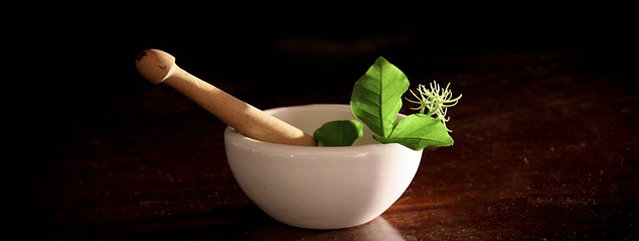
Are you in search of herbal support for a traumatic brain injury? While I am not an herbalist or naturopath, I’ve taken an interest in herbal remedies that might enhance my brain function. After attending this past year’s annual brain injury conference in Vermont, then seeing a naturopath to discuss herbal support for my  chronic fatigue, anxiety, and brain fog related to a TBI, here’s what I learned (*Many of the following have been part of my daily brain-building routine for a long time; others I have recently added, or increased the dosages of, under the supervision of my naturopath):

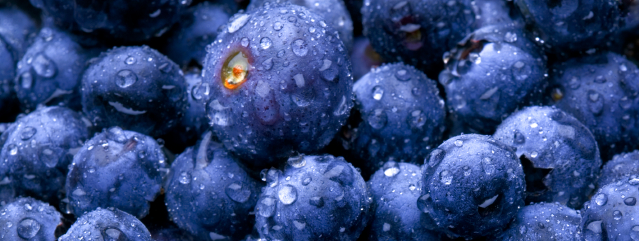
To reduce short and long term impacts of inflamation on brain tissue, herbalist Guido Mase recommends taking flavonoids like blueberries. One cup a day provides protection for all neurodegenerative disorders. The good new is this: heat does not damage the berries, and freezing them increases the bioavailability of flavonoids. (Thank goodness, because I have countless quart bags full of blueberries in my freezer.)

Curcumin, which comes from turmeric, is another flavonoid that has long been used as an anti-inflammatory; it is specifically used to treat TBIs. My naturopath recommended one TBS three times a day of turmeric, with pepper and some kind of fat to aid in absorption. FYI: it tastes terrible, so I often mix it with yogurt.

Essential fatty acids, like omega 3, help regulate what is called “pro-inflammatory signals” in the brain. Mase recommends 2,000 -4,000 mg of omega 3 oil daily, or three to five TBS of ground seeds. I currently take 4,000 mg a day (soft gels).

Among the more than 300 enzymatic processes in which Magnesium is involved, this powerhouse mineral supports cognitive function, strengthens memory, improves learning abilities, regulates mood, and reduces anxiety and depression (which often accompanies a TBI). I’ve been taking 400 mg a day for several months.

Vitamin D, a fat-soluble vitamin, has been linked to fatigue after a TBI. It also plays a role in immune health. Since I live in Vermont, where sunshine is much like a rare commodity, I’ve been taking 1,000 IU a day, but recently increased to 5,000 IU at the recommendation of my naturopath. While I’m told it’s difficult to overdose on Vitamin D, especially if you live in the Northeast, I encourage you to speak with your doctor/medical provider before rushing out to the pharmacy to purchase a 240-day supply.

For anxiety and insomnia: Lavela is a clinically studied lavender oil shown to promote relaxation and reduce anxiety. I’ve been taking one before bedtime for a little more than two weeks; my naturopath says it takes about three weeks to notice any change.

GABA supplements: GABA (Gamma-aminobutyric acid) is a transmitter that regulates communication between brain cells. It plays a large role in behavior, cognition, and the body’s response to stress. Studies have shown that when neurons become overexcited, GABA helps to alleviate the attendant anxiety. Decreased levels of GABA are linked to depression, sleep disorders, anxiety, and more. While I wait for the Lavela to take full effect, I take two GABA chewable tablets before bed each night.

Lion’s Mane: this mushroom is considered a “superfood” for the brain, nerves, and immune system, and has been found to induce what is called “nerve growth factor.” Taking Lion’s mane, consistently and in concentrated doses, helps improve memory, and has been used to treat mild cognitive impairment. My husband is a mushroom forager, so we (or I should say he) made our own tincture. Based on the recommendation of Guido Mase, I started taking 1 tsp three times a day back in October. The recipe my husband and I followed to make the tincture included taking a two week break after three months.

For more information on herbal supplements and TBI, go to Guido Mase’s twitter page and scroll down to his tweet from October 10, 2017: “Herbal Support for a Traumatic Brain Injury.”

* Please consult with your physician/medical provider before taking any of the above supplements. Again, this post is for informational purposes only.


Read More
Blueberries and Post-Traumatic Stress Disorder

blueberries_and_ptsd

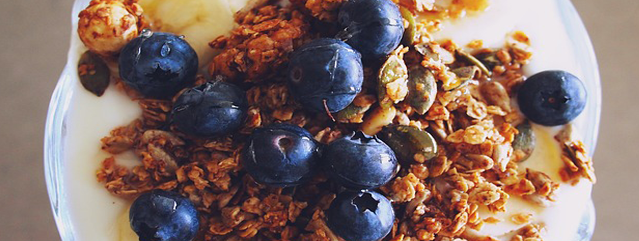
What did you eat for breakfast this morning? I had yogurt with blueberries, lots of blueberries. Akin to gulping down a mug of coffee, these plump babes are part of my morning routine. The sweet burst on my tongue makes me smile and, let’s admit, smiles are more attractive than frowns. If I miss a day munching on an overflowing cup of blueberries, my mojo is all messed up. Thank goodness for blueberries. Why? Not only are they packed with anti-inflammatory, heart-protective, brain-healing extracts (see earlier blog post), they are the anti-depressant of the future.

Based on animal studies, researchers at Louisiana State University’s School of Veterinary Medicine suggest that blueberries may help those suffering from post-traumatic stress disorder. With the rise in PTSD diagnoses, this is good news, particularly since suicide is a very real risk among sufferers.

When researchers induced PTSD-like symptoms in rats, they found that, in comparison to “normal” rats, they had unusually low levels of SKA2, a gene expressed at unusually low levels in people who have committed suicide. The PTSD rates were fed a blueberry-rich diet – as much as two cups – and the results showed increased levels of SKA2 compared to the non-PTSD rats fed a regular diet. The SKA2 study came in follow-up to an earlier one in which blueberry-fed rats showed increased levels of serotonin, the saving grace brain chemical that makes us happy. Researchers plan to further evaluate the link between blueberries and SKA2, with the hope of finding a single pathway by which blueberries can relive both depression and suicidal behaviors.

In the meantime, since blueberries are harmless (unless they are sprayed with chemicals even a veteran linguist can’t pronounce), why not feed your brain a cup or two? And blueberries just might be better than taking drugs: anti-depressants, particularly Serotonin Re-uptake Inhibitors (SSRIs), used to treat PTSD are not always successful. Paradoxically enough, they have been linked to increased suicide tendencies in some people.

Hmm … if two cups of blueberries a day equals, say, twenty milligrams of an SSRI a day, and there are three hundred sixty-five days in a year, if my math is correct, that comes to seven thousand three hundred milligrams of said SSRI versus seven hundred thirty cups of blueberries. Pass the blueberries please.

Read More

How Blueberries Heal a Traumatic Brain Injury

blueberries

You reach for the bush, grab a cluster of summertime, then pop the handful of nature’s sugar into your mouth. A burst of warmth coats your tongue, meanders down your throat, and you think of homemade jam. You grab another cluster, then another, and eat them all, guilt-free, because you know they are good for you – blueberries.

They may be small, but wrapped inside the sheen of a blueberry skin lies a treasure of health benefits: vitamin C for immunity, manganese for strong bones and for converting fats, proteins and carbohydrates into energy. Blueberries are packed with fiber, which helps reduce cholesterol. Research shows that they even reduce the risk of obesity. Polyphenols – substances that give blueberries their blue-purple color – fight off unstable molecules that put us at risk for heart disease, cancer, and Alzheimer’s disease. Health magazines, Dr. Oz, and likely your own mother, have touted the benefits of eating blueberries. But did you know that these blue jewels, which have been around for more than 13,000 years, might help survivors of traumatic brain injuries recover?

The brain functions normally in the presence of glutamate – a neurotransmitter, or chemical that mediates excitatory signals through the nervous system. But, after a brain injury, glutamate rapidly increases, destroying cells. However, in animal studies, researchers have noted that when extracts from blueberries are added to the cells with glutamate they are actually protected. Though it is not necessarily a good idea to always heed “the more the better,” but “the more berries you eat, the better your brain will be protected if a stroke or traumatic brain injury occurs,” says Dr. John Weber, a researcher at Memorial University’s school of pharmacy. Dr. Weber, and others, is still trying to determine exactly how many blueberries are needed for a specific amount of antioxidants – molecules that combat free radicals, or unstable molecules – to reach the brain, and how long they will remain there.

But Dr. Weber is clear about one thing: those who have suffered a moderate to severe injury might not benefit from eating blueberries. Yet, the extracts in berries might be helpful in the later stages of healing.

Blueberries store well in the freezer –they don’t suffer damage to their fragile polyphenol skins. So, at only 80 calories per cup, stock up, and eat up!

http://www.naturalnews.com/032219_polyphenols_blueberries.html

http://www.blueberrycouncil.org

http://www.whfoods.com/genpage.php?tname=foodspice&dbid=8

http://www.thetelegram.com/News/Local/2014-08-05/article-3823293/Blueberries-could-help-heal-brain-injuries/1

Read More