Herbal Support for a Traumatic Brain Injury
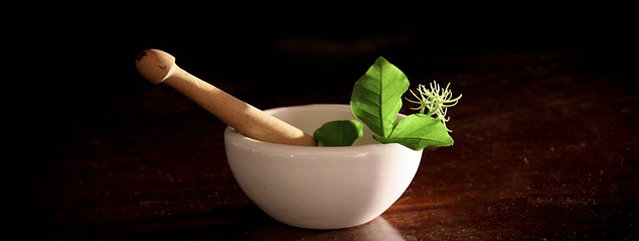
Are you in search of herbal support for a traumatic brain injury? While I am not an herbalist or naturopath, I’ve taken an interest in herbal remedies that might enhance my brain function. After attending this past year’s annual brain injury conference in Vermont, then seeing a naturopath to discuss herbal support for my chronic fatigue, anxiety, and brain fog related to a TBI, here’s what I learned (*Many of the following have been part of my daily brain-building routine for a long time; others I have recently added, or increased the dosages of, under the supervision of my naturopath):
To reduce short and long term impacts of inflamation on brain tissue, herbalist Guido Mase recommends taking flavonoids like blueberries. One cup a day provides protection for all neurodegenerative disorders. The good new is this: heat does not damage the berries, and freezing them increases the bioavailability of flavonoids. (Thank goodness, because I have countless quart bags full of blueberries in my freezer.)
Curcumin, which comes from turmeric, is another flavonoid that has long been used as an anti-inflammatory; it is specifically used to treat TBIs. My naturopath recommended one TBS three times a day of turmeric, with pepper and some kind of fat to aid in absorption. FYI: it tastes terrible, so I often mix it with yogurt.
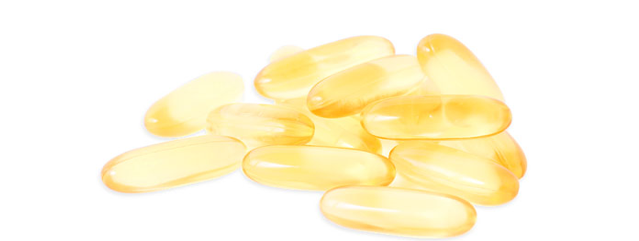
Essential fatty acids, like omega 3, help regulate what is called “pro-inflammatory signals” in the brain. Mase recommends 2,000 -4,000 mg of omega 3 oil daily, or three to five TBS of ground seeds. I currently take 4,000 mg a day (soft gels).
Among the more than 300 enzymatic processes in which Magnesium is involved, this powerhouse mineral supports cognitive function, strengthens memory, improves learning abilities, regulates mood, and reduces anxiety and depression (which often accompanies a TBI). I’ve been taking 400 mg a day for several months.
Vitamin D, a fat-soluble vitamin, has been linked to fatigue after a TBI. It also plays a role in immune health. Since I live in Vermont, where sunshine is much like a rare commodity, I’ve been taking 1,000 IU a day, but recently increased to 5,000 IU at the recommendation of my naturopath. While I’m told it’s difficult to overdose on Vitamin D, especially if you live in the Northeast, I encourage you to speak with your doctor/medical provider before rushing out to the pharmacy to purchase a 240-day supply.
For anxiety and insomnia: Lavela is a clinically studied lavender oil shown to promote relaxation and reduce anxiety. I’ve been taking one before bedtime for a little more than two weeks; my naturopath says it takes about three weeks to notice any change.
GABA supplements: GABA (Gamma-aminobutyric acid) is a transmitter that regulates communication between brain cells. It plays a large role in behavior, cognition, and the body’s response to stress. Studies have shown that when neurons become overexcited, GABA helps to alleviate the attendant anxiety. Decreased levels of GABA are linked to depression, sleep disorders, anxiety, and more. While I wait for the Lavela to take full effect, I take two GABA chewable tablets before bed each night.
Lion’s Mane: this mushroom is considered a “superfood” for the brain, nerves, and immune system, and has been found to induce what is called “nerve growth factor.” Taking Lion’s mane, consistently and in concentrated doses, helps improve memory, and has been used to treat mild cognitive impairment. My husband is a mushroom forager, so we (or I should say he) made our own tincture. Based on the recommendation of Guido Mase, I started taking 1 tsp three times a day back in October. The recipe my husband and I followed to make the tincture included taking a two week break after three months.
For more information on herbal supplements and TBI, go to Guido Mase’s twitter page and scroll down to his tweet from October 10, 2017: “Herbal Support for a Traumatic Brain Injury.”
* Please consult with your physician/medical provider before taking any of the above supplements. Again, this post is for informational purposes only.
Read More
Recent Comments