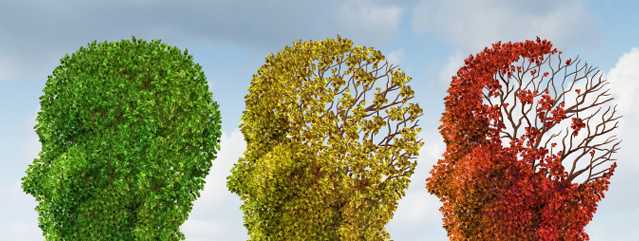
Fiddling My Way to a Stronger Vocabulary

Fiddling my way to a stronger vocabulary 000005217038SmallTen months before I sustained a traumatic brain injury, I started learning how to play the fiddle. Distracted by pain, fatigue and medical appointments during the first months of my recovery I thought I’d never play again. And the few times I tried, the notes sounded either too flat or too sharp. I’d put it back in it’s case, then set it in the corner of the living room, somber and angry at the same time.

Through the persistent support of friends, I eventually practiced again, every day. I started practicing for ten minutes at a time, but quickly increased my sessions to twenty minutes, a half hour, then an hour. I needed the music – immersing myself in the sounds of each note and the melodic phrases of Irish jigs and reels helped me to focus. But I did not know what effect playing the fiddle, or learning any instrument, had on the brains of TBI survivors.

Scientists used to believe that changes in the brain could occur up until only childhood. But modern research has shown that the brain can create new pathways and alter existing damaged ones to form new memories and learn new information. The process, called neuroplasticity (brain remapping) can take months, or even years.

But neuroplasticity can also occur through active learning, called structural plasticity. The brain cannot process all sensory input at once; it selects what it needs from moment to moment. Researchers have found, through music training, areas of the brain involved in cognition such as memory, speech, attention, and language are strengthened. For instance, children who are musically trained have stronger vocabularies and reading skills than those who are not musically trained. Researchers have observed similar patterns in adults.

And so I continue to push the bow across the fiddle’s strings. I call these sessions my brain workout.

http://neurosciencenews.com/neuroscience-music-enchances-learning-neuroplasticity/


Read More
The Brain: A Delicate 3.4 Pounds

delicate_brain-4

Traumatic brain injuries are a subset of acquired brain injures, which are not the result of trauma, but occur after birth: hypoxic brain injuries (lack of oxygen to the brain), and anoxic brain injuries (no oxygen to the brain).

In a diffuse axonal brain injury (a type of closed traumatic brain injury) the skull is not broken, but the brain is violently jarred and collides with the skull, causing tissue swelling. Since there is no opening to relieve the swelling, there is increased pressure in the brain, damaging neurons, the core cells of the nervous system. As a result, the communication network between neurons is impaired (think of a downed cable or telephone wire), and basic functions like speech, and  breathing might be affected.

A concussion is caused from direct impact to the head by an object, or sudden movement or momentum from shaking, like in whiplash. Neurons stretch and blood vessels tear, which can cause contusions – bruises on the brain. The individual may or may not lose consciousness. Shaken Baby Syndrome, also known as Abusive Head Trauma and Shaken Impact Syndrome – is a form of whiplash where the aggressor vigorously shakes the baby. Most of these cases occur when babies are between 6 and 8 weeks old, since that is when they cry the most. The trauma may cause them to experience vomiting, seizures, irritability, and poor feeding.

In an open brain injury, the skull is fractured. If it’s pierced, say, from a gunshot or knife, the skull splinters, and fragments can hit brain tissue, causing further tissue damage (a penetrating injury). Even though cell damage can occur in an open injury, there is less chance of brain swelling and therefore increased pressure. That’s why doctors consider them less dangerous than closed head injuries. But, because there is an opening in the skull, bleeding into the brain can occur. And the individual is at high risk for infection, most commonly meningitis – an infection of the membranes surrounding the brain and spinal column.

Frontal lobe injuries affect the front part of the brain. The frontal lobe controls motor skills, thoughts, emotions,and personality. The left side of the lobe controls verbal communication, and the right side controls non-verbal communication – the arty side of our brains. The right lobe also plays a role in negative emotions, while the left lobe involves positive emotions. The area of the frontal lobe that is damaged will dictate how your emotions and personality are affected. Once a cautious person, you may now find yourself to be more impulsive.

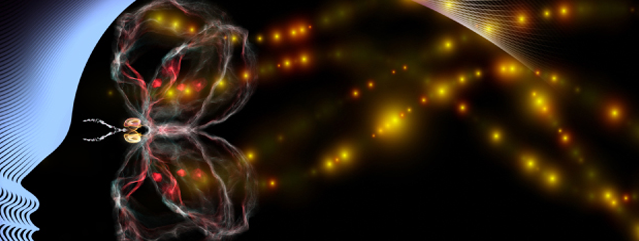
So I suppose it shouldn’t come as a surprise that the brain is susceptible to injury. Weighing a slight 3.4 pounds, and encompassing more than 1 billion neurons with an infinite number of connections, the brain is a delicate mass of tissue floating in a fluid environment, much like a fetus in a uterus.

http://www.msktc.org/tbi/factsheets/Understanding-TBI/What-Happens-During-Injury-And-In-Early-Stages-Of-Recovery

http://www.braininjuryinstitute.org/Brain-Injury-Types/Open-Head-Injury.html

http://kidshealth.org/parent/medical/brain/shaken.html

Read More

Traumatic Brain Injuries 101

brain_injuries_101

Traumatic Brain Injuries 101 In the United States, 52,000 deaths occur each year from a traumatic brain injury (TBI), and 5.3 million people live with disabilities due to a TBI. But a TBI does not necessarily result from a major trauma, like skiing into a tree or plummeting off a roof. You can sustain a TBI from bumping your head on a kitchen cabinet door, or when you and your five year old smack foreheads while wrestling. Penetrating injuries – from a bullet, or other objects that enter the skull – can also cause TBI’s. But the most common causes are from auto accidents and falls.

TBIs range from mild to severe. Mild injuries – concussions – are the most common. Symptoms include confusion, irritability, nausea, fatigue, amnesia around the event, and loss of consciousness up to 30 minutes. But it’s possible to suffer a mild TBI and not lose consciousness. Also, being diagnosed with a mild TBI does not mean the consequences are mild, such as decreased concentration and attention, getting lost and confused, headaches, dizziness, depression, mood swings, sleep disturbances, and difficulty with balance. Many people experience these symptoms for years, which is what happened to me. I still suffer from poor concentration, depression, difficulty multi-tasking, planning and even judging distance. When driving, for instance, I have trouble thinking ahead (at least that’s what my husband tells me). But it’s true. My brain can’t process all the stimuli coming at me: other cars, beeping horns, bicycles, and joggers. It doesn’t have enough room to focus on getting in the left lane soon enough so I can take a left turn.

In moderate TBI’s, the individual loses consciousness from 30 minutes to 24 hours, and in severe TBIs, longer than 24 hours. Symptoms are worse for people diagnosed with moderate to severe TBIs. They tend to exhibit obvious behavioral issues like aggression, and suffer greater physical impairments, like decreased ability to smell (anosmia), ringing in the ears (tinnitus), paralysis, and slurred speech.

But the challenge is in diagnosing TBIs, especially mild ones (like I said earlier, mild from a trauma perspective, not from a consequence perspective. I’ll address the nuances of this in a future post). My TBI was diagnosed in 2006, three years after I sustained the injury. During the immediate hours after the accident, the doctors where concerned with my other injuries – stopping the bleeding from my ruptured spleen and stabilizing my fractured pelvis. So I struggled in the workplace for two years, and at home, blaming my symptoms wholly on PTSD.

http://www.northeastern.edu/nutraumaticbraininjury/consequences-of-tbi/

Read More
error

Enjoy this blog? Please spread the word!